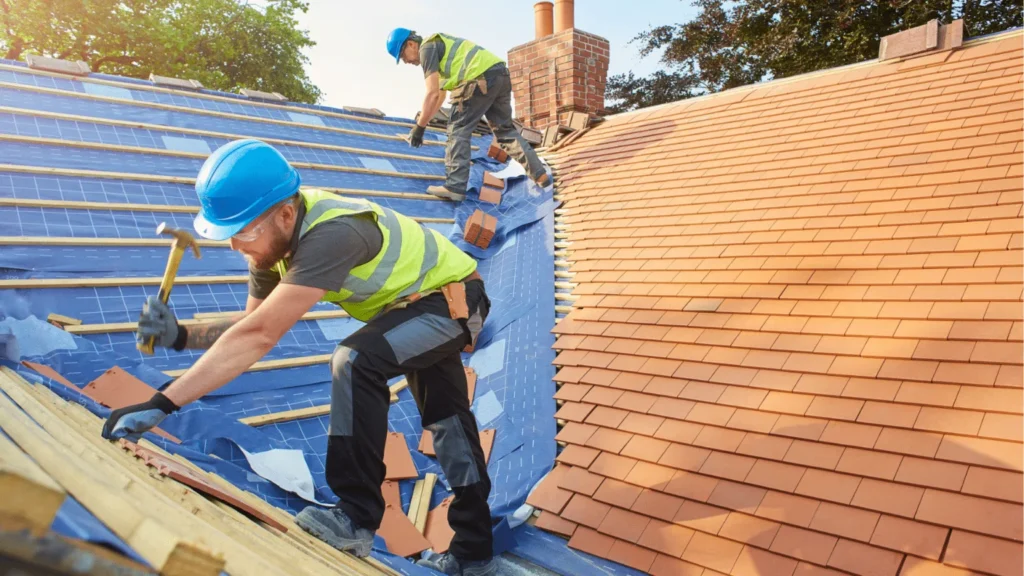
Your roof is a critical component of your home, acting as the first line of defense against the elements. However, because it is out of sight, it is often overlooked by most homeowners. Neglecting your roof can lead to costly repairs, extensive damage, and even structural issues. Regular roof inspections will help save you time, money, and headaches in the long run. Here are the key reasons why regular roof inspections are so important:
1. Identify and Address Minor Issues Early
Small problems, such as cracked shingles, loose flashing, or clogged gutters, can lead to major issues if left unattended. During a roof inspection, professionals can identify and repair minor concerns before they lead to serious problems. These could include leaks, water damage, or structural issues. Early detection not only minimizes property damage but also helps reduce repair costs.
2. Prolong the Life of Your Roof
Regular inspections can help extend the lifespan of your roof. By keeping your roof in optimal condition and addressing wear and tear early on, a premature roof replacement can be prevented. Proper maintenance and timely repairs can add years to the life of your roof, saving you thousands of dollars over time.
3. Prevent Water Damage
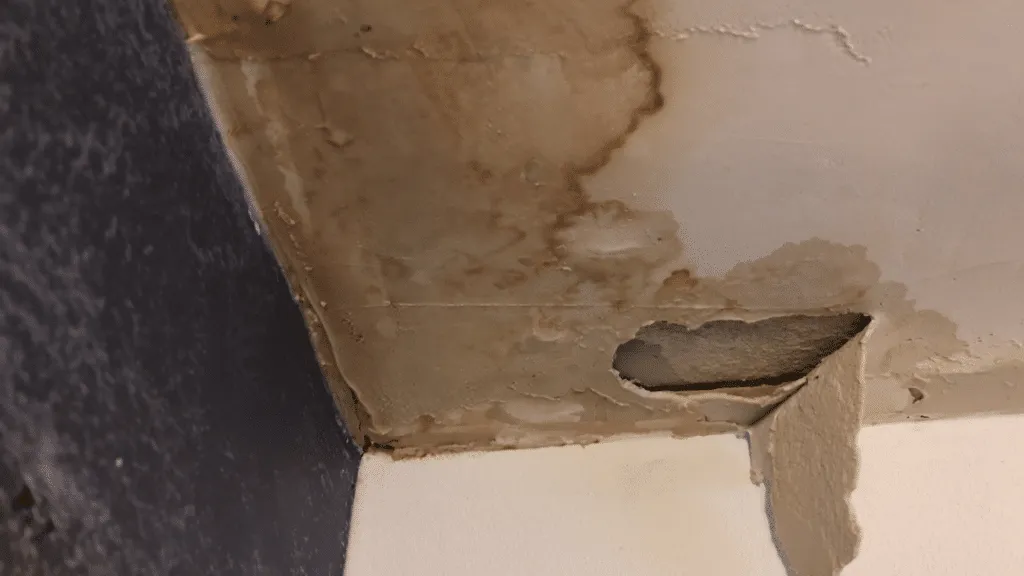
One of the most common and costly problems resulting from a neglected roof is water damage. A small leak can lead to mold growth, rotted wood, and ineffective insulation. Regular inspections help detect weaknesses in your roof’s waterproofing system. Ensuring that your home remains dry and maintains its structural integrity.
4. Improve Energy Efficiency
A well-maintained roof contributes to better energy efficiency in your home. Damaged or missing shingles, poor insulation, and inadequate ventilation can lead to heat loss during the winter and higher cooling costs during the summer. Keeping your roof well ventilated and in good condition can reduce energy loss and keep your utility bill in check.
5. Maintain Home Value
Your roof significantly impacts your home’s curb appeal and overall value. A neglected roof can detract from your home’s appearance and decrease its resale value. Regular inspections ensure that your roof remains in excellent condition. This will make your property more appealing to potential buyers. It will also preserve your investment.
6. Stay Compliant with Warranty Requirements
Many roofing materials come with warranty requirements. These typically include a timeframe for making claims, and regular maintenance. Neglecting your roof can void these warranties, which will end up leaving you responsible for the full cost of repairs or replacement. Regular inspections help ensure you meet warranty requirements and protect your investment.
7. Prepare for Extreme Weather
Weather-related damage is one of the leading causes of roof problems. Regular inspections, particularly before and after extreme weather events, help ensure your roof is equipped to handle high winds, heavy rain, or snow. Additionally, post-storm inspections are essential for documenting damage when filing insurance claims. On average, homeowners have about a year to file a claim for storm-related damage, though some policies may provide more time. Reviewing your insurance policy is crucial to ensure you don’t miss this important deadline.
8. Ensure Safety for Your Family
A damaged roof can create significant safety hazards for your household. Loose or missing shingles can fall, causing injuries. Structural weaknesses in the roof may lead to sagging or even collapse under heavy loads like snow or debris. Water leaks from roof damage can promote mold growth, which creates health risks, especially for individuals with respiratory conditions. Regular inspections are essential to identify and address these dangers early, ensuring your home remains a safe and secure environment for your family.
9. Comply with Local Building Codes
In some regions, local building codes require homeowners to maintain their roofs to certain standards. Regular inspections help ensure that your roof complies with these codes, preventing potential fines or legal issues. For example, in
Key Highlights
- Siding costs in Michigan are influenced by material, size, and location.
- Vinyl siding remains a popular, budget-friendly option in 2025.
- Fiber cement siding offers durability and longevity for Michigan homes.
- Proper planning and budgeting are crucial for a successful siding project.
- DIY installation is possible for some, but professional installation provides peace of mind.
- Consider timing your project for optimal weather and potential cost savings.
Understanding Michigan Siding Costs in 2025
When planning a home improvement project, it is important to know the costs involved. For people in Michigan, if you plan to add new siding in 2025, understanding what affects the cost is key. The average cost of siding in Michigan can change. This is due to different material prices and labor costs in various areas.
Knowing the typical prices for different siding materials is helpful. This way, homeowners can make good choices. Vinyl siding is often more affordable, while fiber cement siding is strong and long-lasting. Factors like what you want your home to look like, your budget and your home’s style will all affect the total cost.
The Importance of Siding for Michigan Homes
In Michigan, siding is very important for protecting homes from extreme weather. It does more than just make homes look good. New siding keeps out strong winds, heavy rain, and changing temperatures. For people in Michigan, this means better energy use. It helps lower drafts and keeps the inside temperature steady.
Also, strong siding choices like fiber cement or high-quality vinyl can make a home worth more. This matters a lot in a housing market where buyers want homes that look nice and last a long time. By updating your home’s outside with modern and weather-proof siding, you will improve its look and feel secure.
Factors Influencing Siding Costs in Sugarcreek, Michigan
Homeowners in Sugarcreek looking to do a siding project will face specific cost factors. While general trends in siding materials affect total costs, local labor and permit costs play a big role in the final price. For example, the availability and cost of siding materials, such as vinyl siding or Hardie board, in Sugarcreek can be influenced by their popularity in the area.
It’s not just the size of your home, but the design. The number of stories or unique features can make installation more complex and increase labor costs. Consulting trusted siding contractors in Sugarcreek is smart, as they can provide valuable insights into local cost variations and offer a clearer estimate for your project.
Benefits of New Siding Beyond Aesthetics
Upgrading your home’s siding can significantly enhance its appearance while offering many practical benefits. New siding improves your home’s energy efficiency, helping to lower energy bills and increase your home’s value. This combination of energy savings and the potential to boost property value makes new siding a smart investment for homeowners.
Choosing low-maintenance materials, like fiber cement, can also reduce long-term repair costs, keeping your home looking great with minimal effort. Ultimately, new siding adds value by enhancing comfort, reducing energy use, and increasing your home’s market appeal and overall worth.
Comparing Siding Options in Michigan: Vinyl, Composite, Wood, Metal, and Stone/Brick
Each siding type, including vinyl, composite, wood, metal, and stone or brick, offers unique benefits tailored to the needs of Michigan homeowners. Vinyl siding is a popular, affordable, and durable option that requires low maintenance and features improved fade resistance for lasting curb appeal. Composite siding provides a modern, versatile alternative with excellent durability, low upkeep, and resistance to weather and pests, making it a practical choice for Michigan’s climate. Wood siding adds timeless charm and natural beauty but demands more maintenance, including painting, staining, and repairs to prevent rot and pest damage. Metal siding, often made from aluminum or steel, is highly durable, weather-resistant, and low-maintenance, making it a great option for Michigan’s varying weather conditions, though it can be prone to dents. Natural stone siding and brick siding offer unmatched durability, classic elegance, and exceptional resistance to weather and pests, making them a long-lasting investment that significantly boosts curb appeal. Each material has advantages based on budget, style preferences, and maintenance needs.
Signs That You Need to Replace Your Siding
Recognizing the signs of existing siding damage is very important for homeowners. This helps them fix problems quickly and save money. Check your house’s outside for signs of water damage. Look for things like warping, bubbling paint, or mold growth. These can show that there are problems with the siding.
If your siding looks faded, cracked, or has loose or missing pieces, it may no longer be in good condition and might not last much longer. While keeping your home looking good is important, ensuring it remains strong and safe is even more critical. Ignoring these signs can lead to bigger issues and may result in replacing the siding entirely, sooner than expected.
Budgeting for Siding Costs
When you plan for a siding replacement project, it is important to set a real budget. First, check the average cost of siding materials where you live. Keep in mind that things like brand and quality can affect the prices.
Also, don’t forget about labor costs. This is often a big part of the total costs of the project. Make sure to include possible extra costs too. This could be for removing old siding, paying for permits, and any surprise repairs that might come up. By considering these factors and obtaining detailed quotes from reputable contractors, you can create a comprehensive budget that aligns with your financial needs.
Necessary Permits in Sugarcreek, Michigan
Before starting any siding project in Sugarcreek, Michigan, you get the right permits. The permit costs might feel like an extra cost. However, they help your project meet local building codes and safety rules. It’s a good idea to contact the Sugarcreek Building Department. They can tell you the requirements, permit fees, and inspection schedules. This will help make the process easier.
Doing proper installation can improve the aesthetic appeal of your home. More importantly, it keeps your property safe and strong. By getting permits and following local building guidelines, homeowners in Sugarcreek help make their community safer. They also help maintain the value of their homes.
Beginner’s Guide to Estimating Siding Costs
Estimating the cost of siding can seem tough for beginners. However, knowing the basics makes it easier. Start by finding the square footage of your home’s outside walls. You can measure this yourself or ask a contractor for help to get accurate numbers.
Next, think about labor costs. These can change based on how complex the job is and where you live. Lastly, include the cost of siding materials. Remember, prices can change based on the type of siding you choose. By putting all these parts together, you can create a rough estimate. This will help you plan your siding project budget.
Step 1: Measure Your Home’s Exterior
Measuring the outside of your entire house is the first step to figuring out siding costs. The total square footage affects how much siding material you need, which impacts the total cost of the project. Start by measuring the width and height of each outside wall, and don’t forget to include any dormers, gables, or other unique parts of your home.
To find the square footage of each section, multiply the width by the height. Then, add all the sections together to get the total square footage. If your home has a complicated design, asking a professional contractor for exact measurements is a good idea. This can help you avoid costly mistakes and get the right amount of siding material.
Step 2: Choose Your Siding Material
Once you know the square footage, the next step is to choose the right siding material for your needs. There are different types of siding available, and each one can affect your budget. It is important to look at the pros and cons of popular options. For example, vinyl siding is known for being affordable and versatile, while premium materials like wood siding and fiber cement siding offer exceptional durability and long-lasting performance.
Think about your budget, how you want it to look, and how much time you want to spend on upkeep. Research different brands and their costs for each siding material. This will help you narrow your choices and make a smart decision that fits your style and budget.
Step 3: Factor in the Removal of Old Siding
If old siding removal is necessary before installing new siding, account for this in your budget. The cost of removal can vary based on the type of siding, accessibility of your home’s exterior, and local labor rates. Some contractors include this cost in their total estimate, while others may charge it separately. To avoid surprises, discuss the removal process and associated costs with your contractor upfront, as there may also be additional expenses for proper disposal and any necessary repairs uncovered during removal.
Step 4: Consider Installation Costs and Labor
Material cost is important, but you should not ignore installation costs and labor. Doing so can lead to wrong budget estimates for your siding project. Labor costs depend on things like how complex your home’s design is, the siding material you choose, and how experienced the siding contractor is.
Getting detailed quotes from several good contractors is very important. This will help you compare their pricing and be clear about labor costs. A good quote should break down labor charges for each stage of the project. This includes site preparation, siding installation, and cleanup.
When you understand the labor costs well and choose a reliable contractor, you can avoid going over budget. This will help make your siding installation process smooth and successful.
Step 5: Add Additional Costs for Finishing and Permits
Beyond the main costs of materials and labor, it is also important to consider additional expenses that can affect the project total, such as finishing touches and necessary permits. Finishing costs include trim, soffit, fascia, and any decorative details you choose to enhance your home’s exterior. These details contribute to the overall look but can affect the project total depending on the materials selected and the complexity of the installation.
You will also need to obtain the proper permits from your local government to ensure the project meets building codes and safety standards. Permit costs can differ depending on your location and the size and complexity of your project. It’s a good idea to consult your local building department for accurate fee information. By accounting for these finishing costs and permit requirements, you can avoid unexpected expenses and ensure your siding installation is complete, compliant, and within budget.
The Impact of House Size on Siding Costs
When budgeting for new siding, it’s essential to understand how your home’s size impacts the overall cost. Bigger homes require more square footage of siding material, which increases the final price. The cost of siding per square foot can vary depending on the type of material and the difficulty of installation. This cost allows you to estimate your expenses based on your home size.
Providing siding contractors with accurate measurements of your home’s exterior, including its overall home size, is a great way to obtain more precise estimates. This helps contractors create accurate quotes tailored to your specific square footage, making budgeting easier and reducing the likelihood of unexpected costs.
Siding Cost Per Square Foot Explained
The term “siding cost per square foot” is often used when talking about siding projects. This measurement includes the cost of materials and the labor involved in putting up one square foot of siding. Material prices can change a lot depending on the type of siding chosen. Labor costs usually stay more constant but may vary based on where you are and how skilled the installer is. Knowing the cost per square foot helps homeowners look at different siding options better. They can take into account the quality of materials, installation costs, and the total square feet of siding required for their square foot house. However, it’s important to keep in mind that this cost is just a starting point. The final cost of the project can change due to other things, like the removal of old siding, permits, or unexpected repairs.
How Early Planning Can Save Costs
Early planning for siding projects can save money. If you research and get quotes from several siding contractors ahead of time, you can avoid the rush and find better deals. During busy seasons, contractors often have full schedules, which can raise prices because of high demand.
On the other hand, if you plan during the off-season, you can schedule more easily and might save money as contractors want to fill their time. Plus, early planning gives you peace of mind. It allows you the time to compare choices, make smart decisions, and plan your budget, which helps the siding installation go smoothly and cost less.
Benefits of Hiring Professional Siders in Michigan
Entrusting your siding needs to a professional in Michigan has many benefits. These advantages often outweigh the money you might save by doing it yourself. Good siding contractors have the skills and experience to work with different siding materials. They can also tackle unexpected issues well, ensuring your installation is high-quality and lasts a long time.
They use special tools and know about local building codes. This helps them follow rules and reduce risks. Also, professional siders usually offer warranties on their work. This gives you peace of mind and protects you against installation mistakes.
Knowing your siding project is in good hands makes the process easier. The guarantee of a proper installation leads to a better overall experience.
Frequently Asked Questions
What is the most cost-effective siding material in Michigan for 2025?
In 2025, vinyl siding is still the best option for saving money in Michigan. It is affordable, easy to take care of, and comes in many styles. This makes it a popular choice for homeowners who want to stick to a budget. On the other hand, fiber cement siding costs more at first. But it is very strong and lasts a long time. Because of this, its higher initial cost might balance out over time.
How do I measure my house for siding accurately?
To measure for siding, find the square footage of each outside wall. Do this by multiplying its width by its height. Don’t forget to include dormers, gables, and other parts of the house. Then, add up all these areas for the total square footage. For the best results, you can hire a contractor or use an online calculator.
How much does vinyl siding cost in Michigan?
In Michigan, the average cost of vinyl siding is between $5.85 and $8.95 for each square foot installed. This cost covers both material and labor costs. However, the final price can change based on the quality of vinyl you choose, how complicated the installation is, and the region where you live.
How long does the siding last?
The lifespan of siding varies by material. Vinyl siding can last for 20 to 40 years. Fiber cement siding can last 50 years or longer. Wood siding can last 30 years with good care, but it may need repairs more often.
Which siding material and style do you recommend for my home, and why?
The best siding material and style depend on your home’s look, how much you can spend, and what you like. Think about how long it lasts, how much care it needs, and how nice it looks when choosing. Talking to a siding expert can help you find the best choice.
What are Some Signs That You Need to Install New Siding?
- Check for signs such as warped, cracked, or rotting siding.
- Also watch for faded colors, loose boards, and rising energy bills.
- These can show it might be time to change your siding.
- If you see any of these problems, talk to a professional for an inspection.
, there are several standard code requirements for roofs such as:
- Roof Pitch and Drainage: Roofs must have a slope to ensure water drains properly, preventing leaks and damage. For roofs with a gentle slope, additional drainage systems such as gutters or internal drains are needed to stop water from collecting and causing problems.
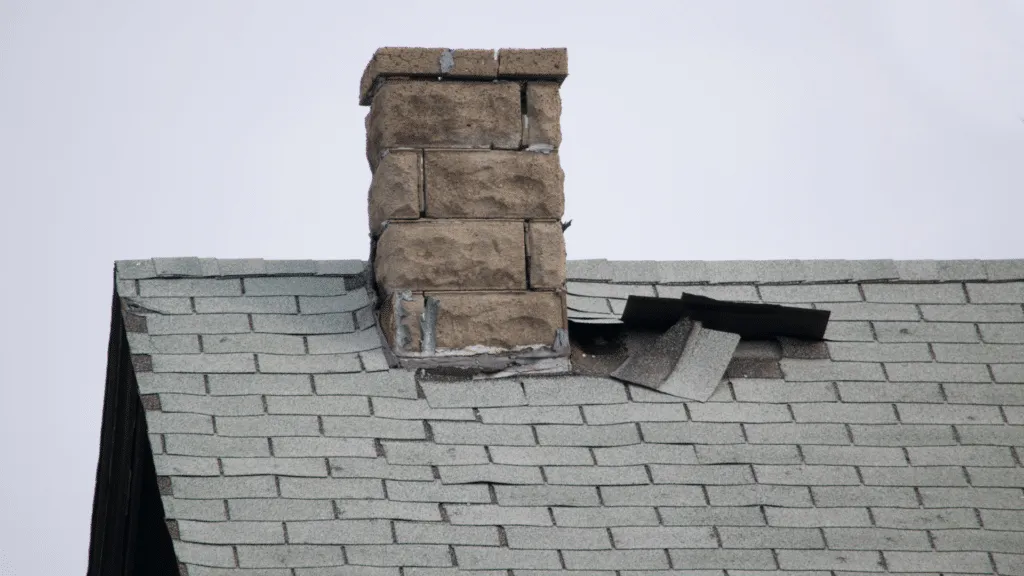
- Flashing Installation: Flashing must be installed around roof edges, chimneys, and openings to prevent water intrusion. It should be made of corrosion-resistant materials to ensure long-lasting protection.
- Roofing Material Requirements: Roofing materials must meet standards for fire, wind, and weather resistance. Materials like shingles, tiles, and metal roofing must be durable enough to withstandKey Highlights
- Siding costs in Michigan are influenced by material, size, and location.
- Vinyl siding remains a popular, budget-friendly option in 2025.
- Fiber cement siding offers durability and longevity for Michigan homes.
- Proper planning and budgeting are crucial for a successful siding project.
- DIY installation is possible for some, but professional installation provides peace of mind.
- Consider timing your project for optimal weather and potential cost savings.
Understanding Michigan Siding Costs in 2025
When planning a home improvement project, it is important to know the costs involved. For people in Michigan, if you plan to add new siding in 2025, understanding what affects the cost is key. The average cost of siding in Michigan can change. This is due to different material prices and labor costs in various areas.
Knowing the typical prices for different siding materials is helpful. This way, homeowners can make good choices. Vinyl siding is often more affordable, while fiber cement siding is strong and long-lasting. Factors like what you want your home to look like, your budget and your home’s style will all affect the total cost.
The Importance of Siding for Michigan Homes
In Michigan, siding is very important for protecting homes from extreme weather. It does more than just make homes look good. New siding keeps out strong winds, heavy rain, and changing temperatures. For people in Michigan, this means better energy use. It helps lower drafts and keeps the inside temperature steady.
Also, strong siding choices like fiber cement or high-quality vinyl can make a home worth more. This matters a lot in a housing market where buyers want homes that look nice and last a long time. By updating your home’s outside with modern and weather-proof siding, you will improve its look and feel secure.
Factors Influencing Siding Costs in Sugarcreek, Michigan
Homeowners in Sugarcreek looking to do a siding project will face specific cost factors. While general trends in siding materials affect total costs, local labor and permit costs play a big role in the final price. For example, the availability and cost of siding materials, such as vinyl siding or Hardie board, in Sugarcreek can be influenced by their popularity in the area.
It’s not just the size of your home, but the design. The number of stories or unique features can make installation more complex and increase labor costs. Consulting trusted siding contractors in Sugarcreek is smart, as they can provide valuable insights into local cost variations and offer a clearer estimate for your project.
Benefits of New Siding Beyond Aesthetics
Upgrading your home’s siding can significantly enhance its appearance while offering many practical benefits. New siding improves your home’s energy efficiency, helping to lower energy bills and increase your home’s value. This combination of energy savings and the potential to boost property value makes new siding a smart investment for homeowners.
Choosing low-maintenance materials, like fiber cement, can also reduce long-term repair costs, keeping your home looking great with minimal effort. Ultimately, new siding adds value by enhancing comfort, reducing energy use, and increasing your home’s market appeal and overall worth.
Comparing Siding Options in Michigan: Vinyl, Composite, Wood, Metal, and Stone/Brick
Each siding type, including vinyl, composite, wood, metal, and stone or brick, offers unique benefits tailored to the needs of Michigan homeowners. Vinyl siding is a popular, affordable, and durable option that requires low maintenance and features improved fade resistance for lasting curb appeal. Composite siding provides a modern, versatile alternative with excellent durability, low upkeep, and resistance to weather and pests, making it a practical choice for Michigan’s climate. Wood siding adds timeless charm and natural beauty but demands more maintenance, including painting, staining, and repairs to prevent rot and pest damage. Metal siding, often made from aluminum or steel, is highly durable, weather-resistant, and low-maintenance, making it a great option for Michigan’s varying weather conditions, though it can be prone to dents. Natural stone siding and brick siding offer unmatched durability, classic elegance, and exceptional resistance to weather and pests, making them a long-lasting investment that significantly boosts curb appeal. Each material has advantages based on budget, style preferences, and maintenance needs.
Signs That You Need to Replace Your Siding
Recognizing the signs of existing siding damage is very important for homeowners. This helps them fix problems quickly and save money. Check your house’s outside for signs of water damage. Look for things like warping, bubbling paint, or mold growth. These can show that there are problems with the siding.
If your siding looks faded, cracked, or has loose or missing pieces, it may no longer be in good condition and might not last much longer. While keeping your home looking good is important, ensuring it remains strong and safe is even more critical. Ignoring these signs can lead to bigger issues and may result in replacing the siding entirely, sooner than expected.
Budgeting for Siding Costs
When you plan for a siding replacement project, it is important to set a real budget. First, check the average cost of siding materials where you live. Keep in mind that things like brand and quality can affect the prices.
Also, don’t forget about labor costs. This is often a big part of the total costs of the project. Make sure to include possible extra costs too. This could be for removing old siding, paying for permits, and any surprise repairs that might come up. By considering these factors and obtaining detailed quotes from reputable contractors, you can create a comprehensive budget that aligns with your financial needs.
Necessary Permits in Sugarcreek, Michigan
Before starting any siding project in Sugarcreek, Michigan, you get the right permits. The permit costs might feel like an extra cost. However, they help your project meet local building codes and safety rules. It’s a good idea to contact the Sugarcreek Building Department. They can tell you the requirements, permit fees, and inspection schedules. This will help make the process easier.
Doing proper installation can improve the aesthetic appeal of your home. More importantly, it keeps your property safe and strong. By getting permits and following local building guidelines, homeowners in Sugarcreek help make their community safer. They also help maintain the value of their homes.
Beginner’s Guide to Estimating Siding Costs
Estimating the cost of siding can seem tough for beginners. However, knowing the basics makes it easier. Start by finding the square footage of your home’s outside walls. You can measure this yourself or ask a contractor for help to get accurate numbers.
Next, think about labor costs. These can change based on how complex the job is and where you live. Lastly, include the cost of siding materials. Remember, prices can change based on the type of siding you choose. By putting all these parts together, you can create a rough estimate. This will help you plan your siding project budget.
Step 1: Measure Your Home’s Exterior
Measuring the outside of your entire house is the first step to figuring out siding costs. The total square footage affects how much siding material you need, which impacts the total cost of the project. Start by measuring the width and height of each outside wall, and don’t forget to include any dormers, gables, or other unique parts of your home.
To find the square footage of each section, multiply the width by the height. Then, add all the sections together to get the total square footage. If your home has a complicated design, asking a professional contractor for exact measurements is a good idea. This can help you avoid costly mistakes and get the right amount of siding material.
Step 2: Choose Your Siding Material
Once you know the square footage, the next step is to choose the right siding material for your needs. There are different types of siding available, and each one can affect your budget. It is important to look at the pros and cons of popular options. For example, vinyl siding is known for being affordable and versatile, while premium materials like wood siding and fiber cement siding offer exceptional durability and long-lasting performance.
Think about your budget, how you want it to look, and how much time you want to spend on upkeep. Research different brands and their costs for each siding material. This will help you narrow your choices and make a smart decision that fits your style and budget.
Step 3: Factor in the Removal of Old Siding
If old siding removal is necessary before installing new siding, account for this in your budget. The cost of removal can vary based on the type of siding, accessibility of your home’s exterior, and local labor rates. Some contractors include this cost in their total estimate, while others may charge it separately. To avoid surprises, discuss the removal process and associated costs with your contractor upfront, as there may also be additional expenses for proper disposal and any necessary repairs uncovered during removal.
Step 4: Consider Installation Costs and Labor
Material cost is important, but you should not ignore installation costs and labor. Doing so can lead to wrong budget estimates for your siding project. Labor costs depend on things like how complex your home’s design is, the siding material you choose, and how experienced the siding contractor is.
Getting detailed quotes from several good contractors is very important. This will help you compare their pricing and be clear about labor costs. A good quote should break down labor charges for each stage of the project. This includes site preparation, siding installation, and cleanup.
When you understand the labor costs well and choose a reliable contractor, you can avoid going over budget. This will help make your siding installation process smooth and successful.
Step 5: Add Additional Costs for Finishing and Permits
Beyond the main costs of materials and labor, it is also important to consider additional expenses that can affect the project total, such as finishing touches and necessary permits. Finishing costs include trim, soffit, fascia, and any decorative details you choose to enhance your home’s exterior. These details contribute to the overall look but can affect the project total depending on the materials selected and the complexity of the installation.
You will also need to obtain the proper permits from your local government to ensure the project meets building codes and safety standards. Permit costs can differ depending on your location and the size and complexity of your project. It’s a good idea to consult your local building department for accurate fee information. By accounting for these finishing costs and permit requirements, you can avoid unexpected expenses and ensure your siding installation is complete, compliant, and within budget.
The Impact of House Size on Siding Costs
When budgeting for new siding, it’s essential to understand how your home’s size impacts the overall cost. Bigger homes require more square footage of siding material, which increases the final price. The cost of siding per square foot can vary depending on the type of material and the difficulty of installation. This cost allows you to estimate your expenses based on your home size.
Providing siding contractors with accurate measurements of your home’s exterior, including its overall home size, is a great way to obtain more precise estimates. This helps contractors create accurate quotes tailored to your specific square footage, making budgeting easier and reducing the likelihood of unexpected costs.
Siding Cost Per Square Foot Explained
The term “siding cost per square foot” is often used when talking about siding projects. This measurement includes the cost of materials and the labor involved in putting up one square foot of siding. Material prices can change a lot depending on the type of siding chosen. Labor costs usually stay more constant but may vary based on where you are and how skilled the installer is. Knowing the cost per square foot helps homeowners look at different siding options better. They can take into account the quality of materials, installation costs, and the total square feet of siding required for their square foot house. However, it’s important to keep in mind that this cost is just a starting point. The final cost of the project can change due to other things, like the removal of old siding, permits, or unexpected repairs.
How Early Planning Can Save Costs
Early planning for siding projects can save money. If you research and get quotes from several siding contractors ahead of time, you can avoid the rush and find better deals. During busy seasons, contractors often have full schedules, which can raise prices because of high demand.
On the other hand, if you plan during the off-season, you can schedule more easily and might save money as contractors want to fill their time. Plus, early planning gives you peace of mind. It allows you the time to compare choices, make smart decisions, and plan your budget, which helps the siding installation go smoothly and cost less.
Benefits of Hiring Professional Siders in Michigan
Entrusting your siding needs to a professional in Michigan has many benefits. These advantages often outweigh the money you might save by doing it yourself. Good siding contractors have the skills and experience to work with different siding materials. They can also tackle unexpected issues well, ensuring your installation is high-quality and lasts a long time.
They use special tools and know about local building codes. This helps them follow rules and reduce risks. Also, professional siders usually offer warranties on their work. This gives you peace of mind and protects you against installation mistakes.
Knowing your siding project is in good hands makes the process easier. The guarantee of a proper installation leads to a better overall experience.
Frequently Asked Questions
What is the most cost-effective siding material in Michigan for 2025?
In 2025, vinyl siding is still the best option for saving money in Michigan. It is affordable, easy to take care of, and comes in many styles. This makes it a popular choice for homeowners who want to stick to a budget. On the other hand, fiber cement siding costs more at first. But it is very strong and lasts a long time. Because of this, its higher initial cost might balance out over time.
How do I measure my house for siding accurately?
To measure for siding, find the square footage of each outside wall. Do this by multiplying its width by its height. Don’t forget to include dormers, gables, and other parts of the house. Then, add up all these areas for the total square footage. For the best results, you can hire a contractor or use an online calculator.
How much does vinyl siding cost in Michigan?
In Michigan, the average cost of vinyl siding is between $5.85 and $8.95 for each square foot installed. This cost covers both material and labor costs. However, the final price can change based on the quality of vinyl you choose, how complicated the installation is, and the region where you live.
How long does the siding last?
The lifespan of siding varies by material. Vinyl siding can last for 20 to 40 years. Fiber cement siding can last 50 years or longer. Wood siding can last 30 years with good care, but it may need repairs more often.
Which siding material and style do you recommend for my home, and why?
The best siding material and style depend on your home’s look, how much you can spend, and what you like. Think about how long it lasts, how much care it needs, and how nice it looks when choosing. Talking to a siding expert can help you find the best choice.
What are Some Signs That You Need to Install New Siding?
- Check for signs such as warped, cracked, or rotting siding.
- Also watch for faded colors, loose boards, and rising energy bills.
- These can show it might be time to change your siding.
- If you see any of these problems, talk to a professional for an inspection.
’s weather conditions and must be securely installed.
- Decking Thickness: The decking (wood base) of the roof must typically be at least ½ inch thick to provide proper support for the roofing system and withstand loads from weather, including snow. This is a common requirement inKey Highlights
- Siding costs in Michigan are influenced by material, size, and location.
- Vinyl siding remains a popular, budget-friendly option in 2025.
- Fiber cement siding offers durability and longevity for Michigan homes.
- Proper planning and budgeting are crucial for a successful siding project.
- DIY installation is possible for some, but professional installation provides peace of mind.
- Consider timing your project for optimal weather and potential cost savings.
Understanding Michigan Siding Costs in 2025
When planning a home improvement project, it is important to know the costs involved. For people in Michigan, if you plan to add new siding in 2025, understanding what affects the cost is key. The average cost of siding in Michigan can change. This is due to different material prices and labor costs in various areas.
Knowing the typical prices for different siding materials is helpful. This way, homeowners can make good choices. Vinyl siding is often more affordable, while fiber cement siding is strong and long-lasting. Factors like what you want your home to look like, your budget and your home’s style will all affect the total cost.
The Importance of Siding for Michigan Homes
In Michigan, siding is very important for protecting homes from extreme weather. It does more than just make homes look good. New siding keeps out strong winds, heavy rain, and changing temperatures. For people in Michigan, this means better energy use. It helps lower drafts and keeps the inside temperature steady.
Also, strong siding choices like fiber cement or high-quality vinyl can make a home worth more. This matters a lot in a housing market where buyers want homes that look nice and last a long time. By updating your home’s outside with modern and weather-proof siding, you will improve its look and feel secure.
Factors Influencing Siding Costs in Sugarcreek, Michigan
Homeowners in Sugarcreek looking to do a siding project will face specific cost factors. While general trends in siding materials affect total costs, local labor and permit costs play a big role in the final price. For example, the availability and cost of siding materials, such as vinyl siding or Hardie board, in Sugarcreek can be influenced by their popularity in the area.
It’s not just the size of your home, but the design. The number of stories or unique features can make installation more complex and increase labor costs. Consulting trusted siding contractors in Sugarcreek is smart, as they can provide valuable insights into local cost variations and offer a clearer estimate for your project.
Benefits of New Siding Beyond Aesthetics
Upgrading your home’s siding can significantly enhance its appearance while offering many practical benefits. New siding improves your home’s energy efficiency, helping to lower energy bills and increase your home’s value. This combination of energy savings and the potential to boost property value makes new siding a smart investment for homeowners.
Choosing low-maintenance materials, like fiber cement, can also reduce long-term repair costs, keeping your home looking great with minimal effort. Ultimately, new siding adds value by enhancing comfort, reducing energy use, and increasing your home’s market appeal and overall worth.
Comparing Siding Options in Michigan: Vinyl, Composite, Wood, Metal, and Stone/Brick
Each siding type, including vinyl, composite, wood, metal, and stone or brick, offers unique benefits tailored to the needs of Michigan homeowners. Vinyl siding is a popular, affordable, and durable option that requires low maintenance and features improved fade resistance for lasting curb appeal. Composite siding provides a modern, versatile alternative with excellent durability, low upkeep, and resistance to weather and pests, making it a practical choice for Michigan’s climate. Wood siding adds timeless charm and natural beauty but demands more maintenance, including painting, staining, and repairs to prevent rot and pest damage. Metal siding, often made from aluminum or steel, is highly durable, weather-resistant, and low-maintenance, making it a great option for Michigan’s varying weather conditions, though it can be prone to dents. Natural stone siding and brick siding offer unmatched durability, classic elegance, and exceptional resistance to weather and pests, making them a long-lasting investment that significantly boosts curb appeal. Each material has advantages based on budget, style preferences, and maintenance needs.
Signs That You Need to Replace Your Siding
Recognizing the signs of existing siding damage is very important for homeowners. This helps them fix problems quickly and save money. Check your house’s outside for signs of water damage. Look for things like warping, bubbling paint, or mold growth. These can show that there are problems with the siding.
If your siding looks faded, cracked, or has loose or missing pieces, it may no longer be in good condition and might not last much longer. While keeping your home looking good is important, ensuring it remains strong and safe is even more critical. Ignoring these signs can lead to bigger issues and may result in replacing the siding entirely, sooner than expected.
Budgeting for Siding Costs
When you plan for a siding replacement project, it is important to set a real budget. First, check the average cost of siding materials where you live. Keep in mind that things like brand and quality can affect the prices.
Also, don’t forget about labor costs. This is often a big part of the total costs of the project. Make sure to include possible extra costs too. This could be for removing old siding, paying for permits, and any surprise repairs that might come up. By considering these factors and obtaining detailed quotes from reputable contractors, you can create a comprehensive budget that aligns with your financial needs.
Necessary Permits in Sugarcreek, Michigan
Before starting any siding project in Sugarcreek, Michigan, you get the right permits. The permit costs might feel like an extra cost. However, they help your project meet local building codes and safety rules. It’s a good idea to contact the Sugarcreek Building Department. They can tell you the requirements, permit fees, and inspection schedules. This will help make the process easier.
Doing proper installation can improve the aesthetic appeal of your home. More importantly, it keeps your property safe and strong. By getting permits and following local building guidelines, homeowners in Sugarcreek help make their community safer. They also help maintain the value of their homes.
Beginner’s Guide to Estimating Siding Costs
Estimating the cost of siding can seem tough for beginners. However, knowing the basics makes it easier. Start by finding the square footage of your home’s outside walls. You can measure this yourself or ask a contractor for help to get accurate numbers.
Next, think about labor costs. These can change based on how complex the job is and where you live. Lastly, include the cost of siding materials. Remember, prices can change based on the type of siding you choose. By putting all these parts together, you can create a rough estimate. This will help you plan your siding project budget.
Step 1: Measure Your Home’s Exterior
Measuring the outside of your entire house is the first step to figuring out siding costs. The total square footage affects how much siding material you need, which impacts the total cost of the project. Start by measuring the width and height of each outside wall, and don’t forget to include any dormers, gables, or other unique parts of your home.
To find the square footage of each section, multiply the width by the height. Then, add all the sections together to get the total square footage. If your home has a complicated design, asking a professional contractor for exact measurements is a good idea. This can help you avoid costly mistakes and get the right amount of siding material.
Step 2: Choose Your Siding Material
Once you know the square footage, the next step is to choose the right siding material for your needs. There are different types of siding available, and each one can affect your budget. It is important to look at the pros and cons of popular options. For example, vinyl siding is known for being affordable and versatile, while premium materials like wood siding and fiber cement siding offer exceptional durability and long-lasting performance.
Think about your budget, how you want it to look, and how much time you want to spend on upkeep. Research different brands and their costs for each siding material. This will help you narrow your choices and make a smart decision that fits your style and budget.
Step 3: Factor in the Removal of Old Siding
If old siding removal is necessary before installing new siding, account for this in your budget. The cost of removal can vary based on the type of siding, accessibility of your home’s exterior, and local labor rates. Some contractors include this cost in their total estimate, while others may charge it separately. To avoid surprises, discuss the removal process and associated costs with your contractor upfront, as there may also be additional expenses for proper disposal and any necessary repairs uncovered during removal.
Step 4: Consider Installation Costs and Labor
Material cost is important, but you should not ignore installation costs and labor. Doing so can lead to wrong budget estimates for your siding project. Labor costs depend on things like how complex your home’s design is, the siding material you choose, and how experienced the siding contractor is.
Getting detailed quotes from several good contractors is very important. This will help you compare their pricing and be clear about labor costs. A good quote should break down labor charges for each stage of the project. This includes site preparation, siding installation, and cleanup.
When you understand the labor costs well and choose a reliable contractor, you can avoid going over budget. This will help make your siding installation process smooth and successful.
Step 5: Add Additional Costs for Finishing and Permits
Beyond the main costs of materials and labor, it is also important to consider additional expenses that can affect the project total, such as finishing touches and necessary permits. Finishing costs include trim, soffit, fascia, and any decorative details you choose to enhance your home’s exterior. These details contribute to the overall look but can affect the project total depending on the materials selected and the complexity of the installation.
You will also need to obtain the proper permits from your local government to ensure the project meets building codes and safety standards. Permit costs can differ depending on your location and the size and complexity of your project. It’s a good idea to consult your local building department for accurate fee information. By accounting for these finishing costs and permit requirements, you can avoid unexpected expenses and ensure your siding installation is complete, compliant, and within budget.
The Impact of House Size on Siding Costs
When budgeting for new siding, it’s essential to understand how your home’s size impacts the overall cost. Bigger homes require more square footage of siding material, which increases the final price. The cost of siding per square foot can vary depending on the type of material and the difficulty of installation. This cost allows you to estimate your expenses based on your home size.
Providing siding contractors with accurate measurements of your home’s exterior, including its overall home size, is a great way to obtain more precise estimates. This helps contractors create accurate quotes tailored to your specific square footage, making budgeting easier and reducing the likelihood of unexpected costs.
Siding Cost Per Square Foot Explained
The term “siding cost per square foot” is often used when talking about siding projects. This measurement includes the cost of materials and the labor involved in putting up one square foot of siding. Material prices can change a lot depending on the type of siding chosen. Labor costs usually stay more constant but may vary based on where you are and how skilled the installer is. Knowing the cost per square foot helps homeowners look at different siding options better. They can take into account the quality of materials, installation costs, and the total square feet of siding required for their square foot house. However, it’s important to keep in mind that this cost is just a starting point. The final cost of the project can change due to other things, like the removal of old siding, permits, or unexpected repairs.
How Early Planning Can Save Costs
Early planning for siding projects can save money. If you research and get quotes from several siding contractors ahead of time, you can avoid the rush and find better deals. During busy seasons, contractors often have full schedules, which can raise prices because of high demand.
On the other hand, if you plan during the off-season, you can schedule more easily and might save money as contractors want to fill their time. Plus, early planning gives you peace of mind. It allows you the time to compare choices, make smart decisions, and plan your budget, which helps the siding installation go smoothly and cost less.
Benefits of Hiring Professional Siders in Michigan
Entrusting your siding needs to a professional in Michigan has many benefits. These advantages often outweigh the money you might save by doing it yourself. Good siding contractors have the skills and experience to work with different siding materials. They can also tackle unexpected issues well, ensuring your installation is high-quality and lasts a long time.
They use special tools and know about local building codes. This helps them follow rules and reduce risks. Also, professional siders usually offer warranties on their work. This gives you peace of mind and protects you against installation mistakes.
Knowing your siding project is in good hands makes the process easier. The guarantee of a proper installation leads to a better overall experience.
Frequently Asked Questions
What is the most cost-effective siding material in Michigan for 2025?
In 2025, vinyl siding is still the best option for saving money in Michigan. It is affordable, easy to take care of, and comes in many styles. This makes it a popular choice for homeowners who want to stick to a budget. On the other hand, fiber cement siding costs more at first. But it is very strong and lasts a long time. Because of this, its higher initial cost might balance out over time.
How do I measure my house for siding accurately?
To measure for siding, find the square footage of each outside wall. Do this by multiplying its width by its height. Don’t forget to include dormers, gables, and other parts of the house. Then, add up all these areas for the total square footage. For the best results, you can hire a contractor or use an online calculator.
How much does vinyl siding cost in Michigan?
In Michigan, the average cost of vinyl siding is between $5.85 and $8.95 for square foot installed. This cost covers both material and labor costs. However, the final price can change based on the quality of vinyl you choose, how complicated the installation is, and the region where you live.
How long does the siding last?
The lifespan of siding varies by material. Vinyl siding can last for 20 to 40 years. Fiber cement siding can last 50 years or longer. Wood siding can last 30 years with good care, but it may need repairs more often.
Which siding material and style do you recommend for my home, and why?
The best siding material and style depend on your home’s look, how much you can spend, and what you like. Think about how long it lasts, how much care it needs, and how nice it looks when choosing. Talking to a siding expert can help you find the best choice.
What are Some Signs That You Need to Install New Siding?
- Check for signs such as warped, cracked, or rotting siding.
- Also watch for faded colors, loose boards, and rising energy bills.
- These can show it might be time to change your siding.
- If you see any of these problems, talk to a professional for an inspection.
’s building codes to ensure roof stability.
10. Gain Peace of Mind
Knowing your roof is in good condition brings peace of mind. You won’t have to worry about unexpected repairs, leaks during storms, or declining property value. Inspections provide reassurance that your home is safe and well-maintained.
How Often Should You Inspect Your Roof?
Experts recommend inspecting your roof at least twice a year—once in the spring and once in the fall. Inspecting your roof in the spring and fall will provide accurate results, as these seasons typically have the most moderate weather. Additionally, inspections should be conducted after severe weather events, such as storms or hail. While you can perform a basic visual inspection yourself, hiring a professional ensures a thorough evaluation and helps identify issues you might overlook.
What Happens During a Roof Inspection?
A professional roof inspection typically involves the following key steps:
Visual Examination: The inspector checks for damage like hail dents, wind-blown debris, sun-related wear, missing or damaged shingles, loose flashing, and cracks. They also assess metal roofing for rust or dents and check for granule loss on shingles, which can indicate potential leaks or further issues.
Structural Assessment: The inspector evaluates the roof’s structural condition, looking for any sagging or uneven areas that may suggest underlying problems.
Moisture Detection: Signs of water damage, leaks, or mold growth are identified to prevent further deterioration of the roof structure.
Gutter and Drainage Check: Gutters and downspouts are inspected to ensure they are clear and functioning properly to avoid water backup and damage.
Attic Inspection: The attic is checked for adequate ventilation, mold, and the thickness of the decking to ensure the roof’s overall health.
Documentation: The inspector provides a detailed report, including photos and recommendations for any necessary repairs or maintenance.
Get Your Roof Inspection
Regular roof inspections are a smart way to save time, money, and avoid unnecessary stress. By catching small problems early, you can prevent them from turning into expensive repairs or emergencies. Inspections also help your roof stay energy-efficient, keeping your home comfortable and lowering your utility bills. Plus, a well-maintained roof can last longer and increase your home’s value, making it a smart investment.
At Asbury Roofing & Siding, we understand how important it is to protect your home. Our experienced team offers thorough roof inspections and provides honest advice about any repairs or maintenance you may need. Don’t wait for visible damage to appear—schedule an inspection today and have peace of mind knowing your roof is in great condition.
If you’re looking for a reliable company to help with a roof inspection in Northeast O
Key Highlights
- Siding costs in Michigan are influenced by material, size, and location.
- Vinyl siding remains a popular, budget-friendly option in 2025.
- Fiber cement siding offers durability and longevity for Michigan homes.
- Proper planning and budgeting are crucial for a successful siding project.
- DIY installation is possible for some, but professional installation provides peace of mind.
- Consider timing your project for optimal weather and potential cost savings.
Understanding Michigan Siding Costs in 2025
When planning a home improvement project, it is important to know the costs involved. For people in Michigan, if you plan to add new siding in 2025, understanding what affects the cost is key. The average cost of siding in Michigan can change. This is due to different material prices and labor costs in various areas.
Knowing the typical prices for different siding materials is helpful. This way, homeowners can make good choices. Vinyl siding is often more affordable, while fiber cement siding is strong and long-lasting. Factors like what you want your home to look like, your budget and your home’s style will all affect the total cost.
The Importance of Siding for Michigan Homes
In Michigan, siding is very important for protecting homes from extreme weather. It does more than just make homes look good. New siding keeps out strong winds, heavy rain, and changing temperatures. For people in Michigan, this means better energy use. It helps lower drafts and keeps the inside temperature steady.
Also, strong siding choices like fiber cement or high-quality vinyl can make a home worth more. This matters a lot in a housing market where buyers want homes that look nice and last a long time. By updating your home’s outside with modern and weather-proof siding, you will improve its look and feel secure.
Factors Influencing Siding Costs in Sugarcreek, Michigan
Homeowners in Sugarcreek looking to do a siding project will face specific cost factors. While general trends in siding materials affect total costs, local labor and permit costs play a big role in the final price. For example, the availability and cost of siding materials, such as vinyl siding or Hardie board, in Sugarcreek can be influenced by their popularity in the area.
It’s not just the size of your home, but the design. The number of stories or unique features can make installation more complex and increase labor costs. Consulting trusted siding contractors in Sugarcreek is smart, as they can provide valuable insights into local cost variations and offer a clearer estimate for your project.
Benefits of New Siding Beyond Aesthetics
Upgrading your home’s siding can significantly enhance its appearance while offering many practical benefits. New siding improves your home’s energy efficiency, helping to lower energy bills and increase your home’s value. This combination of energy savings and the potential to boost property value makes new siding a smart investment for homeowners.
Choosing low-maintenance materials, like fiber cement, can also reduce long-term repair costs, keeping your home looking great with minimal effort. Ultimately, new siding adds value by enhancing comfort, reducing energy use, and increasing your home’s market appeal and overall worth.
Comparing Siding Options in Michigan: Vinyl, Composite, Wood, Metal, and Stone/Brick
Each siding type, including vinyl, composite, wood, metal, and stone or brick, offers unique benefits tailored to the needs of Michigan homeowners. Vinyl siding is a popular, affordable, and durable option that requires low maintenance and features improved fade resistance for lasting curb appeal. Composite siding provides a modern, versatile alternative with excellent durability, low upkeep, and resistance to weather and pests, making it a practical choice for Michigan’s climate. Wood siding adds timeless charm and natural beauty but demands more maintenance, including painting, staining, and repairs to prevent rot and pest damage. Metal siding, often made from aluminum or steel, is highly durable, weather-resistant, and low-maintenance, making it a great option for Michigan’s varying weather conditions, though it can be prone to dents. Natural stone siding and brick siding offer unmatched durability, classic elegance, and exceptional resistance to weather and pests, making them a long-lasting investment that significantly boosts curb appeal. Each material has advantages based on budget, style preferences, and maintenance needs.
Signs That You Need to Replace Your Siding
Recognizing the signs of existing siding damage is very important for homeowners. This helps them fix problems quickly and save money. Check your house’s outside for signs of water damage. Look for things like warping, bubbling paint, or mold growth. These can show that there are problems with the siding.
If your siding looks faded, cracked, or has loose or missing pieces, it may no longer be in good condition and might not last much longer. While keeping your home looking good is important, ensuring it remains strong and safe is even more critical. Ignoring these signs can lead to bigger issues and may result in replacing the siding entirely, sooner than expected.
Budgeting for Siding Costs
When you plan for a siding replacement project, it is important to set a real budget. First, check the average cost of siding materials where you live. Keep in mind that things like brand and quality can affect the prices.
Also, don’t forget about labor costs. This is often a big part of the total costs of the project. Make sure to include possible extra costs too. This could be for removing old siding, paying for permits, and any surprise repairs that might come up. By considering these factors and obtaining detailed quotes from reputable contractors, you can create a comprehensive budget that aligns with your financial needs.
Necessary Permits in Sugarcreek, Michigan
Before starting any siding project in Sugarcreek, Michigan, you get the right permits. The permit costs might feel like an extra cost. However, they help your project meet local building codes and safety rules. It’s a good idea to contact the Sugarcreek Building Department. They can tell you the requirements, permit fees, and inspection schedules. This will help make the process easier.
Doing proper installation can improve the aesthetic appeal of your home. More importantly, it keeps your property safe and strong. By getting permits and following local building guidelines, homeowners in Sugarcreek help make their community safer. They also help maintain the value of their homes.
Beginner’s Guide to Estimating Siding Costs
Estimating the cost of siding can seem tough for beginners. However, knowing the basics makes it easier. Start by finding the square footage of your home’s outside walls. You can measure this yourself or ask a contractor for help to get accurate numbers.
Next, think about labor costs. These can change based on how complex the job is and where you live. Lastly, include the cost of siding materials. Remember, prices can change based on the type of siding you choose. By putting all these parts together, you can create a rough estimate. This will help you plan your siding project budget.
Step 1: Measure Your Home’s Exterior
Measuring the outside of your entire house is the first step to figuring out siding costs. The total square footage affects how much siding material you need, which impacts the total cost of the project. Start by measuring the width and height of each outside wall, and don’t forget to include any dormers, gables, or other unique parts of your home.
To find the square footage of each section, multiply the width by the height. Then, add all the sections together to get the total square footage. If your home has a complicated design, asking a professional contractor for exact measurements is a good idea. This can help you avoid costly mistakes and get the right amount of siding material.
Step 2: Choose Your Siding Material
Once you know the square footage, the next step is to choose the right siding material for your needs. There are different types of siding available, and each one can affect your budget. It is important to look at the pros and cons of popular options. For example, vinyl siding is known for being affordable and versatile, while premium materials like wood siding and fiber cement siding offer exceptional durability and long-lasting performance.
Think about your budget, how you want it to look, and how much time you want to spend on upkeep. Research different brands and their costs for each siding material. This will help you narrow your choices and make a smart decision that fits your style and budget.
Step 3: Factor in the Removal of Old Siding
If old siding removal is necessary before installing new siding, account for this in your budget. The cost of removal can vary based on the type of siding, accessibility of your home’s exterior, and local labor rates. Some contractors include this cost in their total estimate, while others may charge it separately. To avoid surprises, discuss the removal process and associated costs with your contractor upfront, as there may also be additional expenses for proper disposal and any necessary repairs uncovered during removal.
Step 4: Consider Installation Costs and Labor
Material cost is important, but you should not ignore installation costs and labor. Doing so can lead to wrong budget estimates for your siding project. Labor costs depend on things like how complex your home’s design is, the siding material you choose, and how experienced the siding contractor is.
Getting detailed quotes from several good contractors is very important. This will help you compare their pricing and be clear about labor costs. A good quote should break down labor charges for each stage of the project. This includes site preparation, siding installation, and cleanup.
When you understand the labor costs well and choose a reliable contractor, you can avoid going over budget. This will help make your siding installation process smooth and successful.
Step 5: Add Additional Costs for Finishing and Permits
Beyond the main costs of materials and labor, it is also important to consider additional expenses that can affect the project total, such as finishing touches and necessary permits. Finishing costs include trim, soffit, fascia, and any decorative details you choose to enhance your home’s exterior. These details contribute to the overall look but can affect the project total depending on the materials selected and the complexity of the installation.
You will also need to obtain the proper permits from your local government to ensure the project meets building codes and safety standards. Permit costs can differ depending on your location and the size and complexity of your project. It’s a good idea to consult your local building department for accurate fee information. By accounting for these finishing costs and permit requirements, you can avoid unexpected expenses and ensure your siding installation is complete, compliant, and within budget.
The Impact of House Size on Siding Costs
When budgeting for new siding, it’s essential to understand how your home’s size impacts the overall cost. Bigger homes require more square footage of siding material, which increases the final price. The cost of siding per square foot can vary depending on the type of material and the difficulty of installation. This cost allows you to estimate your expenses based on your home size.
Providing siding contractors with accurate measurements of your home’s exterior, including its overall home size, is a great way to obtain more precise estimates. This helps contractors create accurate quotes tailored to your specific square footage, making budgeting easier and reducing the likelihood of unexpected costs.
Siding Cost Per Square Foot Explained
The term “siding cost per square foot” is often used when talking about siding projects. This measurement includes the cost of materials and the labor involved in putting up one square foot of siding. Material prices can change a lot depending on the type of siding chosen. Labor costs usually stay more constant but may vary based on where you are and how skilled the installer is. Knowing the cost per square foot helps homeowners look at different siding options better. They can take into account the quality of materials, installation costs, and the total square feet of siding required for their square foot house. However, it’s important to keep in mind that this cost is just a starting point. The final cost of the project can change due to other things, like the removal of old siding, permits, or unexpected repairs.
How Early Planning Can Save Costs
Early planning for siding projects can save money. If you research and get quotes from several siding contractors ahead of time, you can avoid the rush and find better deals. During busy seasons, contractors often have full schedules, which can raise prices because of high demand.
On the other hand, if you plan during the off-season, you can schedule more easily and might save money as contractors want to fill their time. Plus, early planning gives you peace of mind. It allows you the time to compare choices, make smart decisions, and plan your budget, which helps the siding installation go smoothly and cost less.
Benefits of Hiring Professional Siders in Michigan
Entrusting your siding needs to a professional in Michigan has many benefits. These advantages often outweigh the money you might save by doing it yourself. Good siding contractors have the skills and experience to work with different siding materials. They can also tackle unexpected issues well, ensuring your installation is high-quality and lasts a long time.
They use special tools and know about local building codes. This helps them follow rules and reduce risks. Also, professional siders usually offer warranties on their work. This gives you peace of mind and protects you against installation mistakes.
Knowing your siding project is in good hands makes the process easier. The guarantee of a proper installation leads to a better overall experience.
Frequently Asked Questions
What is the most cost-effective siding material in Michigan for 2025?
In 2025, vinyl siding is still the best option for saving money in Michigan. It is affordable, easy to take care of, and comes in many styles. This makes it a popular choice for homeowners who want to stick to a budget. On the other hand, fiber cement siding costs more at first. But it is very strong and lasts a long time. Because of this, its higher initial cost might balance out over time.
How do I measure my house for siding accurately?
To measure for siding, find the square footage of each outside wall. Do this by multiplying its width by its height. Don’t forget to include dormers, gables, and other parts of the house. Then, add up all these areas for the total square footage. For the best results, you can hire a contractor or use an online calculator.
How much does vinyl siding cost in Michigan?
In Michigan, the average cost of vinyl siding is between $5.85 and $8.95 for each square foot installed. This cost covers both material and labor costs. However, the final price can change based on the quality of vinyl you choose, how complicated the installation is, and the region where you live.
How long does the siding last?
The lifespan of siding varies by material. Vinyl siding can last for 20 to 40 years. Fiber cement siding can last 50 years or longer. Wood siding can last 30 years with good care, but it may need repairs more often.
Which siding material and style do you recommend for my home, and why?
The best siding material and style depend on your home’s look, how much you can spend, and what you like. Think about how long it lasts, how much care it needs, and how nice it looks when choosing. Talking to a siding expert can help you find the best choice.
What are Some Signs That You Need to Install New Siding?
- Check for signs such as warped, cracked, or rotting siding.
- Also watch for faded colors, loose boards, and rising energy bills.
- These can show it might be time to change your siding.
- If you see any of these problems, talk to a professional for an inspection.
we may be the right fit for you. Contact us today to schedule an inspection and take the first step in protecting your home.